
Climate Risk Assessment


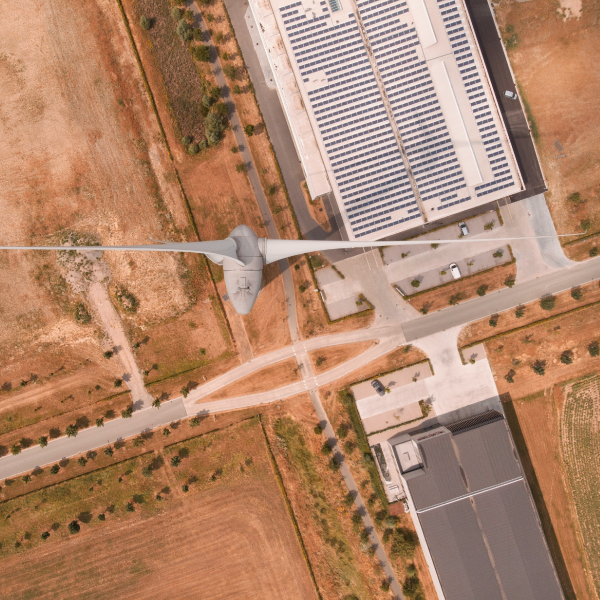

Do you recognize these challenges?
Insurance premiums are rising due to increasing climate risks in your operating regions.
Supply problems due to global extreme weather events.
Banks demand higher interest rates or refuse credit without a substantiated climate action plan in your file.
Production stoppages due to energy shortages during heatwaves or storms are becoming increasingly common.
Waiting won't solve these problems. They will only get worse. A climate risk analysis gives you the data and a plan to get ahead of them.

Why conduct a Climate Risk Assessment?
It saves you money
Targeted investments in adaptation cost a fraction of the damage you otherwise risk. CO₂ reduction now is cheaper than CO₂ taxes later.
Your customers expect it
More and more companies and governments only select suppliers with a solid climate plan. Without one, you miss out on tenders and contracts.
Banks and insurers demand it
Without a climate risk analysis, you pay higher premiums and more interest. Or you'll have more difficulty securing credit. You can also use scientific evidence to negotiate lower premiums.
CSRD mandates it, VSME requests it
Large companies must report climate risks via the VSME standard. Are you a supplier to a CSRD-obligated company? Then you must provide the same information.
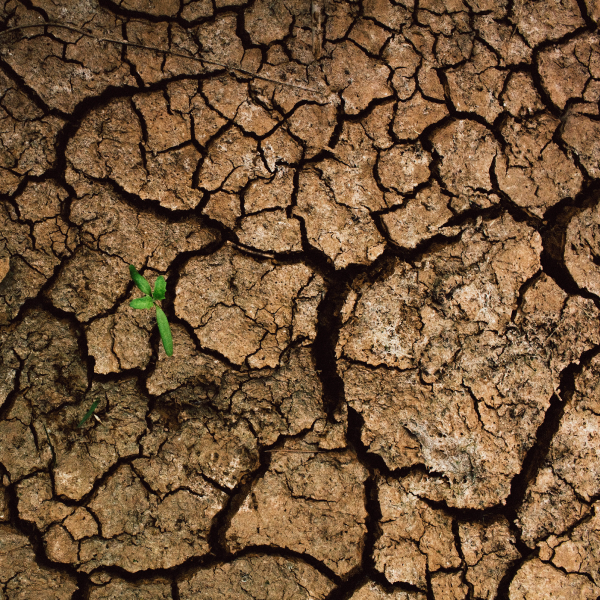
What exactly does a climate risk analysis entail?
A climate risk analysis consists of two complementary analyses:
1. Climate Adaptation
We analyze the physical risks that climate change poses to your business. Floods, droughts, heat, storms – we quantify what they mean for your locations, processes, and supply chain. Arm your business against a potential depreciation of your infrastructure and capital.
2. Climate Mitigation
We calculate what the transition to a low-carbon economy means for you. CO₂ taxes, new technologies, changing markets – we identify risks and opportunities.
The result is an integrated climate action plan with concrete measures for both tracks, which you can implement immediately.
How does it work?
Map physical risks
We analyze climate data for your locations and identify the risks your organization faces. We also examine your supply chain: where are the vulnerabilities?
Calculate transition risks
We model various transition scenarios. What happens to your costs with different CO₂ prices? Which technologies become unprofitable? Where do new opportunities lie?
Select adaptation measures
Make your business climate-resilient. For each risk, we determine possible measures. From flood defenses to backup suppliers, from cooling systems to insurance. With special attention to nature-based solutions. Including costs and benefits.
Develop an implementation plan
Concrete actions, deadlines, budgets, and responsible parties. Plus a system to monitor progress and make adjustments.

The result: a complete climate adaptation plan
Risk Register
All climate risks quantified and prioritized
Package of Measures
Concrete actions for adaptation and mitigation
Investment Plan
What are the costs, what are the benefits, what takes priority?
CSRD Reporting
All information for VSME C4 compliance
Dashboard
A system to monitor risks and progress
Which companies benefit from a climate risk analysis?
A Climate Risk Assessment is suitable for:
- Any company aiming for climate resilience
- Manufacturing companies with physical assets
- Organizations reporting via CSRD or VSME
- Suppliers to large enterprises
- Companies reliant on complex supply chains
- Companies in climate-sensitive sectors


How we work
We apply proven methodologies and build on our experience with Corporate Risk Assessments, climate scenario analysis, and climate adaptation. No thick paper bundles, but practical plans. We work with your team, use existing data where possible, and deliver concrete action plans that your team can implement themselves.


Sustainability Scan for Verkest Fat Rendering Plant

Start your Climate Risk Assessment
What are the climate risks for your company? We discuss your situation, create a customized proposal, and get to work.
Not our words
“The team always thinks with us, considering both short-term and long-term needs. Pragmatic, efficient, and technically robust. Their experience has often made the difference for us, both in strategy and in the field.”
Marc Croonen
Chief HR, Sustainability & Communication at Vandemoortele
“Why Mantis? An accessible approach and a high level of expertise. They successfully translate complex regulations into something workable for our organization.”
Jan Laroy
Managing Partner at Urbastyle

Frequently Asked Questions
.jpg)

Floods that shut down your factory, heatwaves that limit your production, droughts that affect your suppliers, storms that make transport impossible. Also consider infrastructure damage, higher cooling costs during extreme temperatures, or critical IT system failures due to power outages.
We analyze historical damage data, climate projections, and operational vulnerabilities to calculate Value at Risk per scenario. This includes direct damage (buildings, machinery), indirect costs (production stoppages, additional transport), and future risks (rising insurance premiums, stranded assets).
CO₂ reduction targets aligned with the 1.5°C warming limit, validated by the Science Based Targets initiative (SBTi). These targets are based on climate science and tell you how much you need to reduce annually to contribute to preventing dangerous warming.
A climate risk analysis specifically focuses on physical and transition risks of climate change, with concrete adaptation and mitigation strategies. While a sustainability plan centers on ESG compliance, a climate risk analysis is about risk management and operational resilience against climate impacts. The resulting action plan includes concrete measures to make your business resilient to climate change.
Logistics and transport (route disruptions), food (harvest risks), energy (demand peaks), chemicals (process temperatures), retail (supply chain dependency), and manufacturing (water- and energy-intensive processes). However, any company with physical assets or complex supply chains faces risks.
A climate risk analysis identifies and quantifies your risks. The resulting climate action plan outlines concrete measures to address those risks. We provide both: first the analysis, then the plan.
Also interesting?

Carbon Footprint

Energy audit or plan

Sustainability reporting

Lifecycle assessment (LCA) & EPD

Sustainabilityplan

VLAIO Greening Scan

EcoVadis guidance
SBTi guidance

VSME reporting

CO₂ Performance Ladder


.svg)
