
At Attentia, a Belgian HR service provider with 850 employees and 40 offices, sustainability isn't handled by operations or a dedicated sustainability manager. It's managed by the communications department. And that's not just a temporary fix.
"Customer inquiries about sustainability come in through sales and marketing," says Barbara Verougstraete, who takes on the coordination in her role as PR & External Communications. "That touches upon our brand, on how we want to be perceived. There's the logical link with communication."
Verougstraete, who has a background in journalism and worked for ten years in communications agencies, is honest about the limitations of this setup. "However interesting I find it, I don't have the technical expertise. I only wanted to do it if we could bring in external help for it."
That's how the partnership with Mantis came about.
First the policy, then the story
Attentia wasn't idle when it came to sustainability. The company had already invested in sustainable offices, a greener vehicle fleet, and even planted a corporate forest. But these initiatives were disconnected, and the overall effort wasn't documented anywhere. When customers started asking for hard figures, that was no longer enough.
"We had previously completed an EcoVadis questionnaire, without expertise. That result was disappointing," Verougstraete recalls. "We were indeed active, but we couldn't prove it."
She consciously decided to lay the foundation first before communicating about it. "If you go public with a sustainability story while the policy's foundation isn't solid, you lack credibility. So we said: first get the core right. Only then go public."
Specifically, that meant: mapping emissions, drafting policies, quantifying targets. And having everything approved by management.
Read also Attentia's case study:
From good intentions to hard evidence: how Attentia professionalized its sustainability policy →
Not the proposal, but the style
When choosing a partner, Verougstraete spoke with several consulting firms. “Content-wise, the proposals were relatively similar. The difference was made by style.”
What tipped the scales: the pragmatic approach and direct communication. “Yesterday I received a questionnaire from a client. Today I could just call Johannes, and we filled it out together in fifteen minutes. That makes me feel confident that it's correct.”
She also appreciated the honesty. “Of course, you can go much further with that than what we're doing now. But they sense that it's better to go step by step. Year one, get the basics in order; year two, take it a bit further.”
Results that are starting to take hold
The first tangible result was a bronze EcoVadis medal. “Certainly not our ultimate goal yet, but a step forward. We also communicated explicitly about it internally and updated our sales teams.”
Slowly, it's starting to trickle down. “Colleagues are starting to come to me as a point of contact. My internal communications colleague is trying to align her campaigns more with our sustainability policy. And recently, an employee who orders water bottles for our medical trucks called, asking if we shouldn't rather install water dispensers. Those kinds of things, you notice them.”
At the same time, she acknowledges that it's a long-term effort. “There are 850 of us, spread across the entire country. Not everyone is equally easy to reach. You don't get that moving overnight.”
What she would do differently
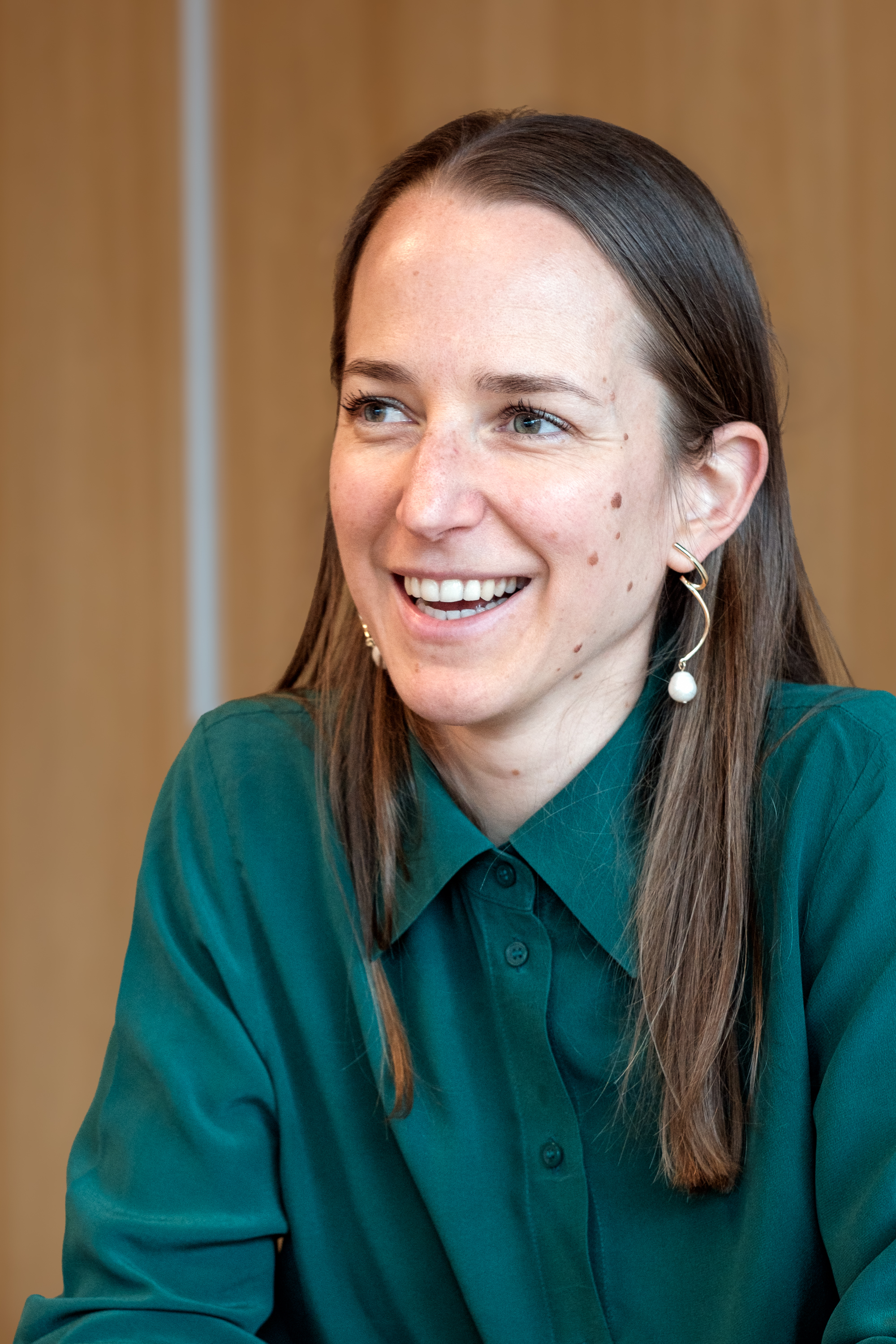
Looking back, Verougstraete says there's one thing she would have done sooner. “Started collaborating with an external partner earlier. That really led from chaos and ad-hoc tasks to structure.”
And a second: communicate more internally about the progress. “I wanted to wait until we were a bit further along. But because of that, it seemed like nothing was happening. Even though we were working very hard to get the core in order.”
Her advice to companies in a similar situation? “There is economic pressure. Our customers demand it. But apart from that: if you approach it structurally, you'll find more value in it than you expect.”
Making your services future-proof?
As a service provider, are you increasingly receiving questions about sustainability that you don't immediately have an answer for? Mantis helps establish a structural sustainability policy, from EcoVadis to carbon footprint.




.svg)
