
First B-EPD for green roof substrate: how Acterra sets the standard for an entire sector


About Acterra
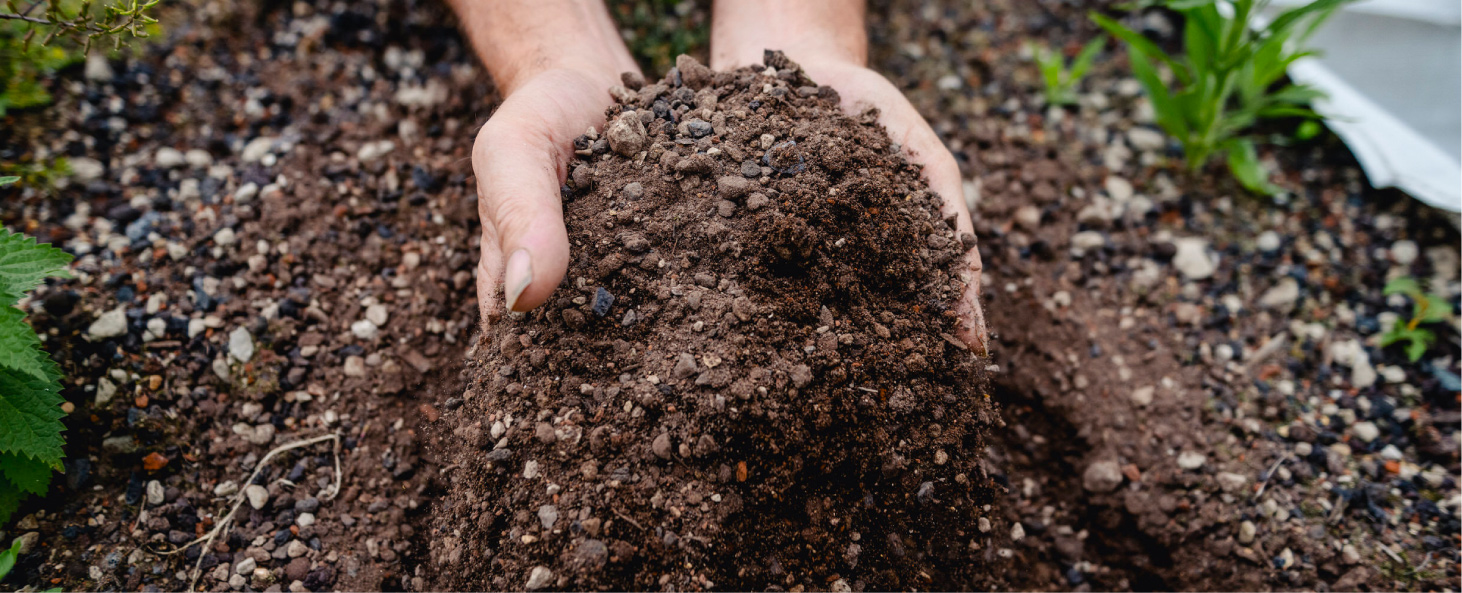
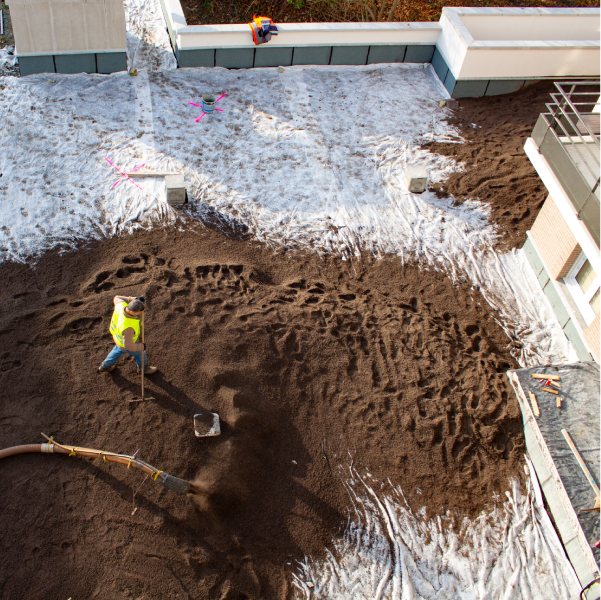
Acterra produces plant substrates for infrastructure, road construction, and green roofs under the brand names TerraViva® and revivA®. This Flemish family business developed an alternative to primary volcanic products by processing Flemish brick waste into high-quality growing substrates. With revivA® green roof substrate, Acterra demonstrates that local waste streams can yield high-quality substrates. This principle also forms the basis of the B-EPD for green roof substrate, the first in the Benelux.
Towards the first B-EPD for green roof substrate
The Challenge
No comparable producer had a B-EPD. This was increasingly requested in European tenders. Acterra wanted to make measurable what they had been doing for years: producing locally and sustainably.
The Solution
A partnership between Mantis (LCA expertise) and COPRO (standardization and B-EPD knowledge) to go from data collection to FPS approval.
Our Approach
Systematic analysis of production processes, calculation of variable raw materials, navigating the strict Belgian B-EPD framework with 29 parameters.
The Result
The first B-EPD in the sector within 12 months. Internal insight into energy efficiency per machine. A solid foundation for future B-EPDs and take-back guarantees.


About this project
Acterra x Mantis x COPRO
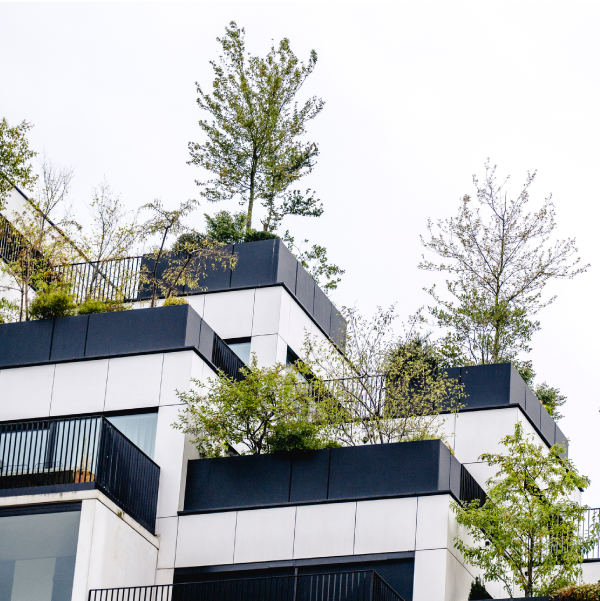
When you're the only one in your sector able to present an environmental performance declaration under the Belgian EPD program (Environmental Product Declaration), you're a frontrunner by definition. Acterra, a producer of plant substrates for roof gardens and green roofs, is setting a new standard with this declaration. Local raw materials and years of process optimization finally get objective, scientific backing.
The route there? A three-way collaboration: Acterra provided the product data, Mantis contributed LCA expertise, and COPRO ensured standardization and B-EPD knowledge. The result: a fully verified B-EPD.
The Challenge
A Sector Without a Framework for Environmental Performance
For years, the world of roof garden substrates ran without an objective environmental benchmark. Producers made sustainability claims, but no one could back them up. For Acterra, which deliberately chose local raw materials over imported volcanic ones, it was time to make that choice measurable. When a European tender explicitly asked for an Environmental Product Declaration for the first time, Acterra seized the opportunity. The company faced a choice: let the contract slip away, or be the first in the sector to take on the B-EPD process.
The Belgian B-EPD Process
The Belgian B-EPD program sets stricter requirements for environmental performance declarations than some neighboring countries. Modules A4 and A5 (transport to the construction site and installation), for example, are mandatory here but not in France or Germany. For Acterra, that meant extra complexity — but also an opportunity. A B-EPD built to the strictest standards would set them apart today and prepare them for future European harmonization.

“We were initially apprehensive about the administrative burden, but it turned out our fears were unfounded. The entire verification process was very smooth and efficient.”

The Solution
Complementary expertise in Environmental Product Declarations (EPD)
Acterra chose a strong partnership: Mantis Consulting for the technical LCA calculations, and COPRO for standardization and B-EPD expertise.
The division of roles was clear from day one:
Acterra documented production processes and provided energy data per machine
Mantis modeled the life cycle analysis and answered technical questions from the FPS.
COPRO monitored the regulations and prepared for the audit
No duplicate work, no miscommunication, no downtime.
“The Mantis-COPRO partnership made all the difference. Together, they ensured we never got bogged down in technical details or procedural pitfalls. For future B-EPDs, I would choose exactly the same approach.”
The results


What is the CO2 Performance Ladder?
- Team SpiritCollaborating on projects that matter
- LearningStaying ahead in an evolving field.
- Career GrowthMore expertise, more responsibility.
of experience
courses
who support you
projects


Our Approach
A verified B-EPD in 4 phases
Energy consumption per machine, transport distances, raw material composition. Everything was documented, weighed, and calculated.
Mantis translated the raw data into a life cycle assessment according to ISO 14040. From raw material extraction to end-of-life, every environmental impact was quantified.
Auditor Vinçotte checked the calculations and methodology. COPRO coordinated this process and ensured all documentation was correct.
The federal authorities raised additional questions. Mantis provided the technical answers, COPRO the procedural context.
“A very smooth collaboration between the three parties. Mantis brought the LCA knowledge, and we brought the regulatory expertise. As a result, we complemented each other perfectly.”

The results
First B-EPD opens doors and provides insights
Advantage in tenders. In European tenders where an EPD is requested, Acterra is the only one that can deliver. An asset that carries more weight as sustainability requirements become stricter.
Internal process optimization. The initial data collection forced Acterra to analyze every aspect of production. Energy consumption per machine, efficiency per process – everything is now documented in black and white.
Foundation for scaling up. The methodology is now established. For new products, the B-EPD process can now be completed more quickly and efficiently. A second B-EPD is already planned.
Verification of sustainability claims. For years, Acterra claimed that local brick residue performed better than imported volcanic materials. Now they have the proof.
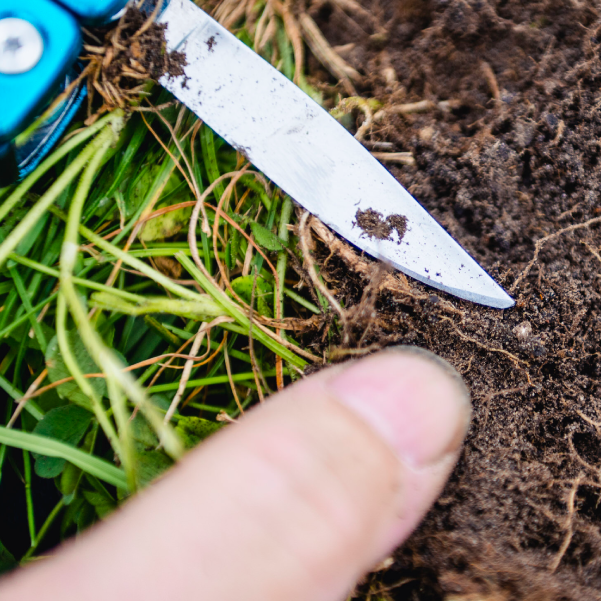

From island to ecosystem
Acterra is currently developing a take-back guarantee for complete roof garden constructions. Customers are assured that the substrate will be taken back and reprocessed at the end of its life cycle. The B-EPD supports this circular ambition with solid environmental data.
To help customers make an informed choice, the company is working on multiple B-EPDs for different substrate types. This will allow customers to choose based on specific environmental performance per application.
“The project is already halfway to success when you can work with a sustainable product and have a client with a clear vision. This allowed us to work the way we like to, hands-on and goal-oriented.”

Ready for the environmental performance challenge in your sector?
Companies that take on the B-EPD process now are building a competitive advantage and learning to optimize their processes.
Strengthen your competitive position with a B-EPD
Technical LCA expertise + B-EPD knowledge = your competitive advantage.
More cases


.svg)

